


The Bombs That Had to Fall: America’s Christmas Day Strike on Jihadist Camps in Sokoto, Seat of the Caliphate
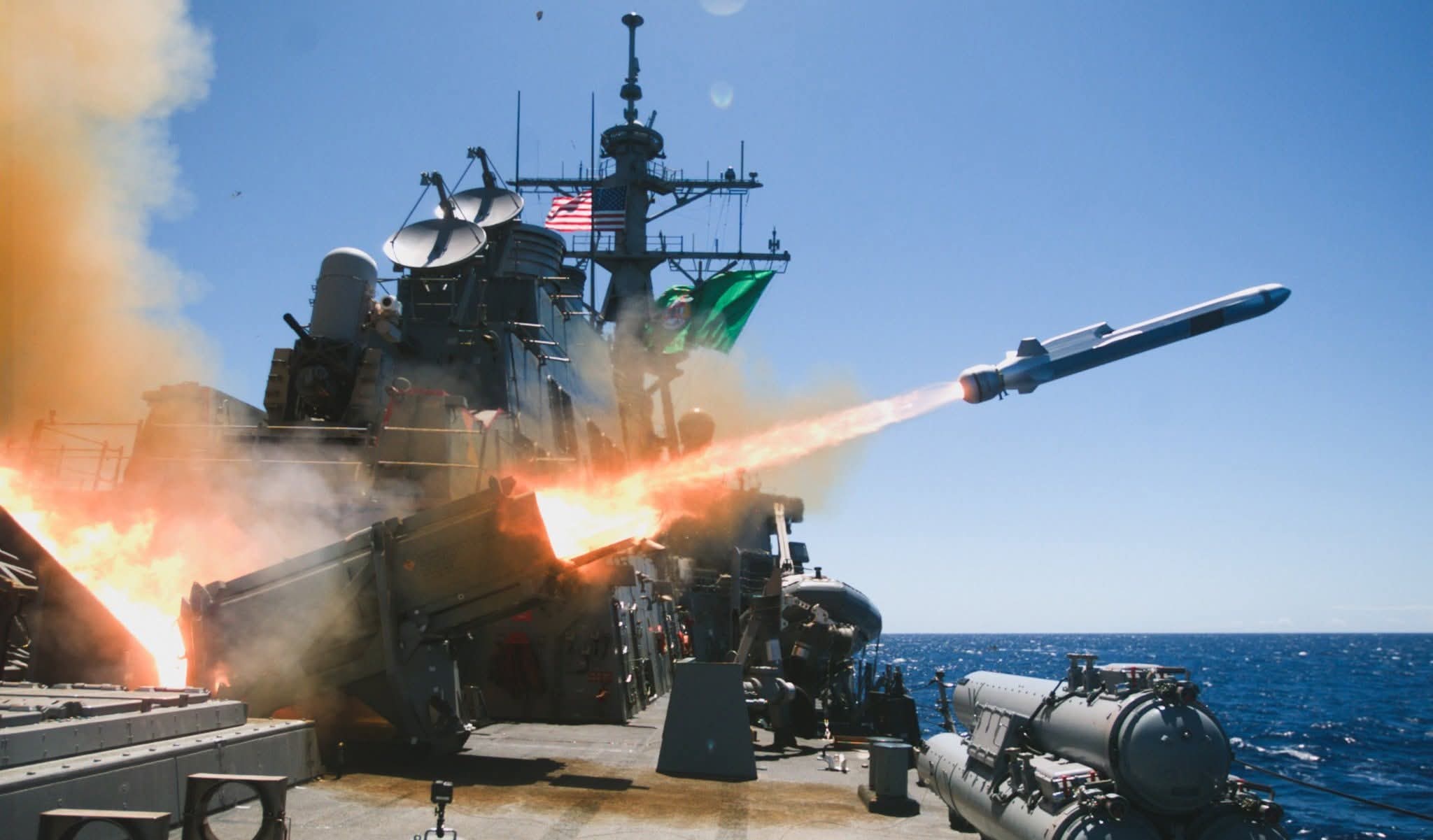
In the early hours of December 26, 2024, as most Nigerians slept off Christmas festivities, the skies over Tangaza Local Government Area in Sokoto State erupted with the thunderous roar of precision airstrikes. For 45 minutes, from 11:45 PM on December 25 to 12:30 AM, United States military aircraft unleashed what President Donald Trump described as “a powerful and deadly strike against ISIS Terrorist Scum in Northwest Nigeria.”
The operation, estimated by experts to have cost between $1 million and $3 million, marked a significant escalation in international counterterrorism efforts within Nigeria’s borders. Both the U.S. Department of War and Nigeria’s Foreign Minister confirmed that the strikes were a coordinated operation between the two nations, targeting a terrorist base hosting key jihadist affiliates in the Bouni axis of Tangaza.
Yet, predictably, the strikes have sparked intense debate across Nigeria. Skeptics have questioned everything from the existence of ISIS in Sokoto to the legitimacy of American military intervention on Nigerian soil. Kaduna-based Islamic cleric Sheikh Ahmed Gumi went as far as calling the operation symbolic of a “neo-Crusade war against Islam,” urging Nigeria to halt all military cooperation with the United States and seek assistance from China, Turkey, or Pakistan instead.
But as someone who has reported extensively from Tangaza and witnessed firsthand the creeping menace of transnational jihadism in Nigeria’s Northwest, I can say with confidence: these airstrikes were not only necessary, they were overdue.
The Lakurawa Threat: A Clear and Present Danger
In November 2024, my colleague Segun Onibiyo and I published an exclusive investigation into Tangaza and the alarming influx of foreign Islamist terrorists from the Sahel region into Nigeria through its porous northwestern borders. What we found was chilling: the Lakurawa terrorist group, a coalition of jihadists with ambitions to establish Islamic caliphates stretching from the Sahel down to the coast of Ghana, had been actively recruiting local fighters, including Fulani militias, across Sokoto and Kebbi states.
Tangaza, situated along Nigeria’s border with Niger Republic, has become a critical transit and operational hub for these jihadists. The porosity of this border facilitates the seamless movement of fighters, weapons, and ideology between the Sahel’s conflict zones and Nigeria’s increasingly vulnerable Northwest. This isn’t speculation, it’s documented reality.
The Lakurawa aren’t merely bandits or cattle rustlers. They represent a sophisticated, ideologically driven terror network affiliated with Jama’at Nusrat al-Islam wal-Muslimin (JNIM), an Al-Qaeda affiliate operating across the Sahel. Their objectives are clear: destabilize governments, impose harsh interpretations of Sharia law, and expand their territorial control. Their methods are equally clear: targeted assassinations, mass kidnappings, extortion, and brutal attacks on anyone who resists their authority, including Muslims.
Why Sokoto? Understanding the Strategic Significance
Critics have questioned why Sokoto, the historic seat of Nigeria’s caliphate and a region perceived as peaceful, would be targeted. This question betrays a dangerous ignorance of contemporary jihadist strategy.
Sokoto’s symbolic importance cannot be overstated. For groups like Lakurawa and their Sahel-based allies, controlling or influencing territories with deep Islamic heritage lends them religious legitimacy. Tangaza’s strategic location along smuggling routes and its proximity to ungoverned spaces in Niger Republic make it an ideal staging ground for operations deeper into Nigeria.
Furthermore, the U.S. military doesn’t invest millions of dollars in precision airstrikes based on hunches. In recent weeks, American forces have conducted intensive Intelligence, Surveillance, and Reconnaissance (ISR) operations across the Sahel region of Nigeria. These missions undoubtedly revealed credible intelligence about the presence of high-value terrorist targets in Tangaza, likely including senior commanders planning coordinated attacks across multiple Nigerian states.
The Sokoto State Government has confirmed that terrorist locations were indeed bombed. Reports from Niger indicate that Nigerien soldiers observed fleeing Lakurawa fighters escaping Tangaza after the strikes. The operation targeted a terrorist base where top jihadist commanders were reportedly meeting to strategize large-scale attacks. No civilian casualties were recorded, a testament to the precision and coordination involved.
Trump’s “ISIS” Rhetoric: Politics Meets Reality
President Trump’s characterization of the targets as “ISIS Terrorist Scum” warrants clarification. While Lakurawa is primarily affiliated with JNIM and Al-Qaeda rather than ISIS, the distinction may be more relevant to terrorism analysts than to practical counterterrorism operations. Both organizations share overlapping ideologies, tactics, and objectives. Both seek to establish Islamic caliphates through violence and terror. Both recruit from the same radicalized populations and exploit the same governance vacuums.
Trump’s reference to ISIS likely serves a dual purpose: it resonates with American audiences familiar with ISIS’s atrocities, and it simplifies a complex security landscape into terms that justify decisive action. For Nigerians living under the threat of these groups, whether the terrorists pledge allegiance to ISIS, Al-Qaeda, or JNIM matters far less than whether they’re being effectively neutralized.
The Broader War: Why This Strike Matters
This operation represents more than just a tactical victory, it signals a renewed international commitment to confronting transnational terrorism in West Africa. For too long, Nigeria has faced these threats with insufficient resources, inadequate intelligence capabilities, and an overstretched military. The involvement of U.S. military assets, with their advanced surveillance technology, precision strike capabilities, and real-time intelligence, provides a force multiplier that Nigeria desperately needs.
The Lakurawa threat extends beyond Sokoto and Kebbi. Their influence has been felt in Zamfara, and increasingly in parts of Niger and Kwara States. They operate with impunity in areas where state presence is minimal or non-existent. They impose taxes on communities, recruit disaffected youth, and coordinate with local bandits to create a complex web of criminality and ideological extremism.
Sheikh Gumi’s concerns about sovereignty and the symbolism of American intervention are not without merit in principle. No nation should casually cede control of military operations within its borders. However, his suggestion that “terrorists don’t fight terrorists” ignores the fundamental difference between legitimate counterterrorism operations conducted with host-nation consent and the indiscriminate violence perpetrated by jihadist groups.
His recommendation that Nigeria seek assistance from China, Turkey, or Pakistan instead raises its own questions. Are these nations better positioned to provide the sophisticated ISR capabilities, precision strike assets, and actionable intelligence that this operation demonstrated? The evidence suggests otherwise.
Looking Forward: Recommendations for Sustained Action
While the Tangaza strikes represent a significant achievement, they cannot be a one-off event. Nigeria’s counterterrorism strategy must evolve to address the full spectrum of jihadist threats across the country.
The next priority should be the systematic dismantling of known terror cells in the Middle Belt, particularly in Nasarawa, Plateau, Benue, and Taraba states. These cells serve as planning and staging grounds for attacks on farming communities that have displaced thousands and devastated agricultural production. Precision airstrikes targeting these locations, combined with ground operations to clear and hold territory, would significantly degrade their operational capacity.
Nigeria must also invest in border security infrastructure along its northern frontiers. Technology, surveillance drones, biometric checkpoints, rapid response units, must replace the current patchwork of undermanned outposts. Regional cooperation with Niger, Chad, and Cameroon needs strengthening to create a coordinated response to groups that exploit national boundaries.
Finally, Nigeria must address the governance vacuums that make communities vulnerable to jihadist recruitment. Where the state is absent, in providing security, justice, education, and economic opportunity, extremist groups fill the void. Long-term victory against terrorism requires not just military action but the restoration of effective governance.
Conclusion: A Necessary Strike in a Long War
The Christmas Day airstrikes in Tangaza were not an American crusade against Islam, as some have claimed. They were a necessary surgical intervention against a metastasizing terrorist threat that endangers Muslims and Christians alike. The Lakurawa and their affiliates have killed indiscriminately, enslaved communities, and sought to drag Nigeria into the chaos consuming the Sahel.
Those who doubt the necessity or success of these strikes should ask themselves: Would they prefer that the terrorists meeting in that Tangaza forest had been left to execute whatever atrocities they were planning? Would they prefer that Nigeria face these transnational threats entirely alone, without the intelligence and capabilities that international partnerships provide?
The war against terrorism in Nigeria is far from over. But on December 25, 2025, in the skies over Sokoto, a significant battle was won. Now comes the harder work: sustaining the pressure, expanding operations to other terrorist strongholds, and building the state capacity necessary to ensure that when terrorists are eliminated, they cannot simply be replaced.
The strike in Tangaza matters because it demonstrates that Nigeria is not alone in this fight, and that those who wage jihad against innocent Nigerians, regardless of their religious affiliation or international backing, will face consequences.
The question now is whether Nigeria has the political will to build on this success or whether the Tangaza strikes will remain an isolated event in an otherwise reactive and inadequate counterterrorism strategy.
For the sake of every Nigerian farmer, trader, student, and family living under the shadow of these groups, we must choose the former.
…Steven Kefas is an investigative journalist, Senior Research Analyst at the Observatory for Religious Freedom in Africa, and Publisher of Middle Belt Times. He has documented religious persecution, terrorism and forced displacement in Nigeria’s Middle Belt for over a decade.